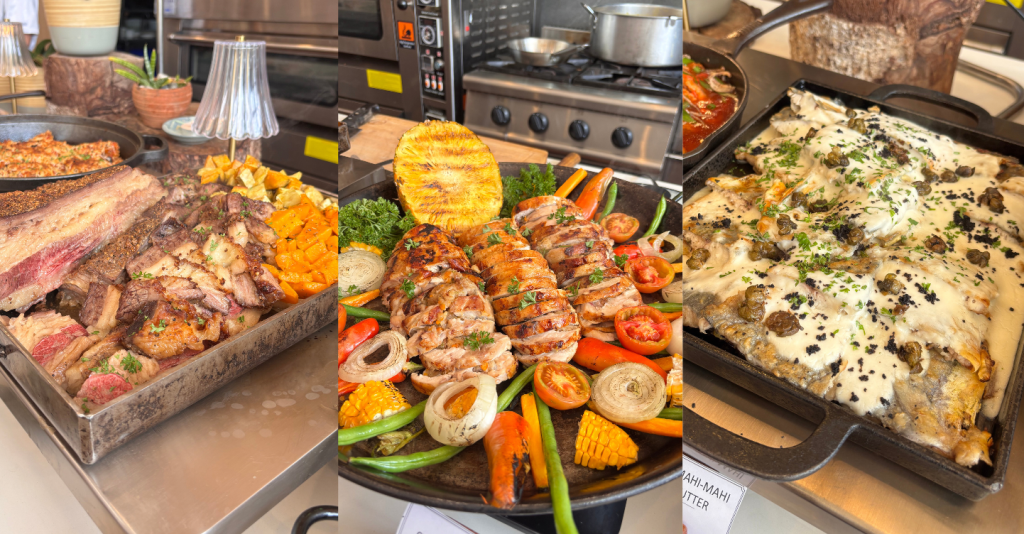
There’s a difference between a buffet that gives you options and one that makes you think about the food you’re eating. HBNB Kitchen, the new all-day dining restaurant at Hotel101 Davao, had me thinking about the latter.
I’m always curious when The Pilgrim Group announces something new.
Over the past couple of years, the group, led by Chef Jeramie Go, has built a name for itself through Pilgrim, Grateful Bread, and Bairrada Churrasqueira. These aren’t concepts that exist in isolation from the city around them. They’ve become part of the conversation about where Davao eats, and how the city’s dining scene is heading.
I even wrote about Bairrada Churrasqueira last year, so when I heard that The Pilgrim Group was behind HBNB Kitchen at Hotel101 Davao, I knew I wanted to see what a buffet made by the team would look like.
Because, if we’re being real, buffets can be a bit of a gamble.
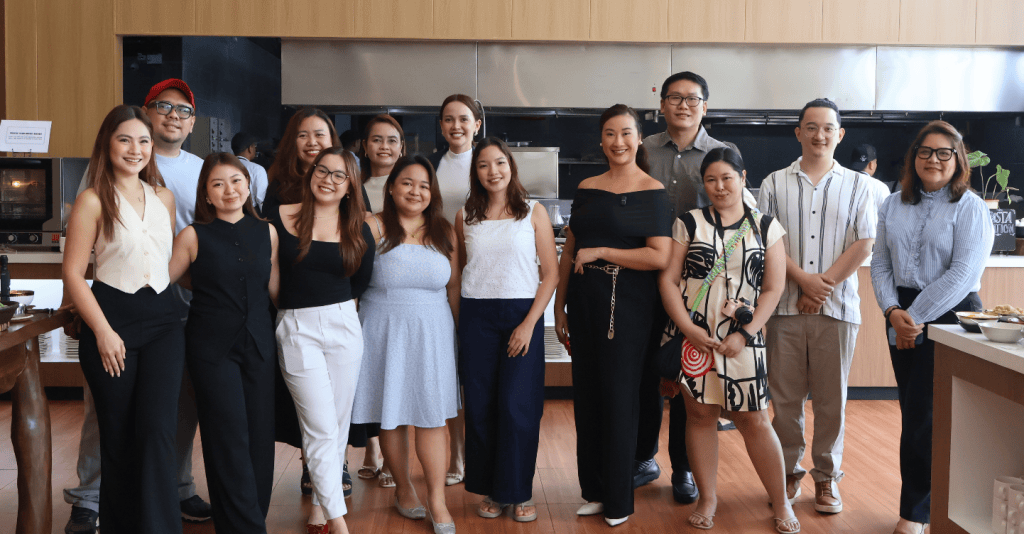
There’s always the excitement of seeing a table full of food, the mental math of figuring out how many plates you need to make the price worthwhile, and the inevitable moment when your eyes write a check your stomach cannot cash. But in my opinion, quantity isn’t everything when it comes to buffets. I’ve always believed that the difference between a decent buffet and a genuinely good one comes down to the food itself.
And with The Pilgrim Group involved, I was curious whether that attention to ingredients and preparation would carry over to a format built around serving many people at once.
So, when Hotel101 invited us to try HBNB Kitchen’s lunch buffet, I was more than happy to show up hungry.
First impressions: the kitchen was so organized
The first thing I noticed was how organized everything was.
That might sound like a small thing to mention when there’s an entire buffet in front of you, but I think the layout says something about how a restaurant wants you to experience its food.
HBNB Kitchen at Hotel 101 Davao had clearly defined sections for sushi and maki, appetizers and small bites, salads, soups, breads and spreads, pasta, vegetables, main dishes, and desserts. Instead of one long stretch of trays competing for your attention, there was a place for everything.
I really liked the separate pork station. It had its own little identity within the larger spread, with different pork dishes arranged together. It’s a practical detail, sure, but it’s also the sort of thing I notice when a restaurant has thought about how people will actually move through a buffet.
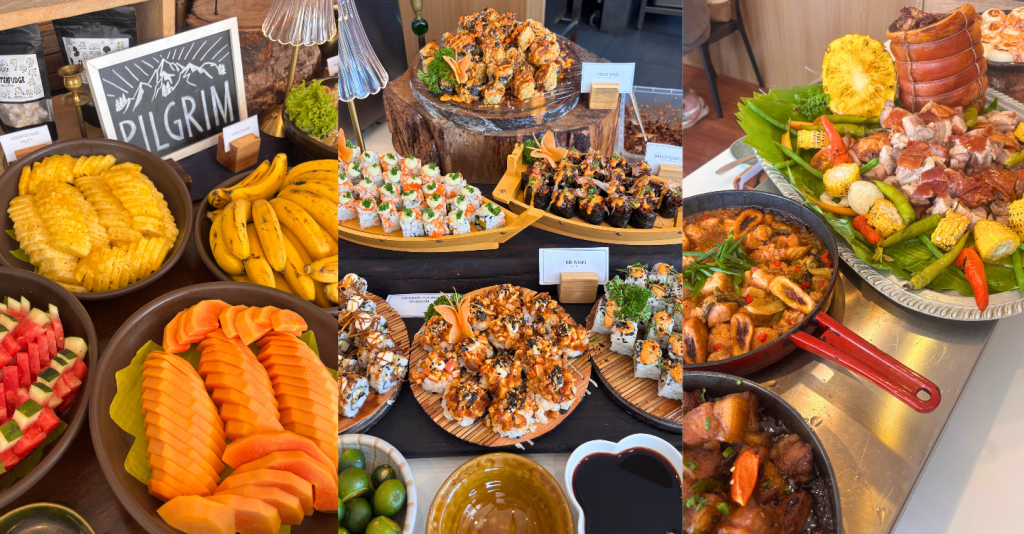
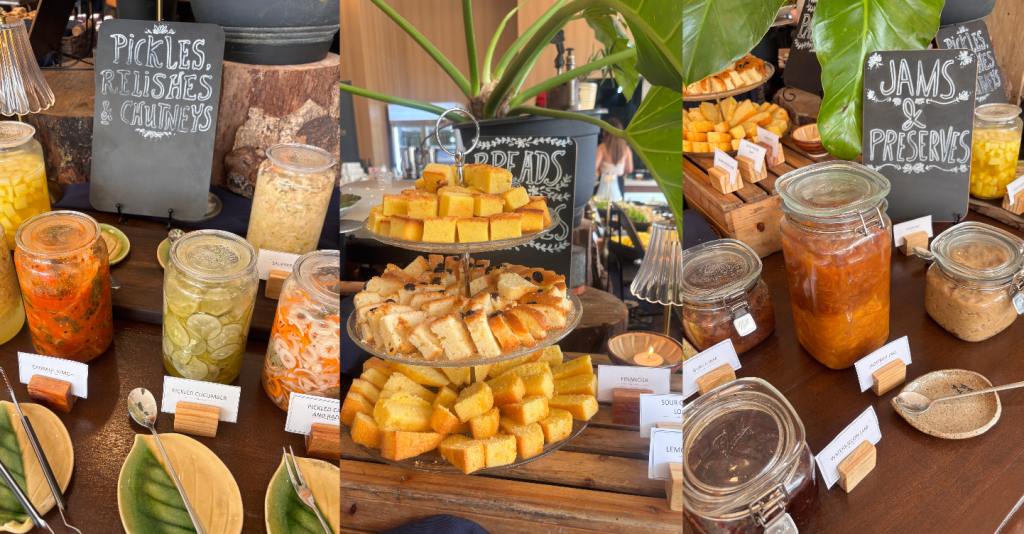
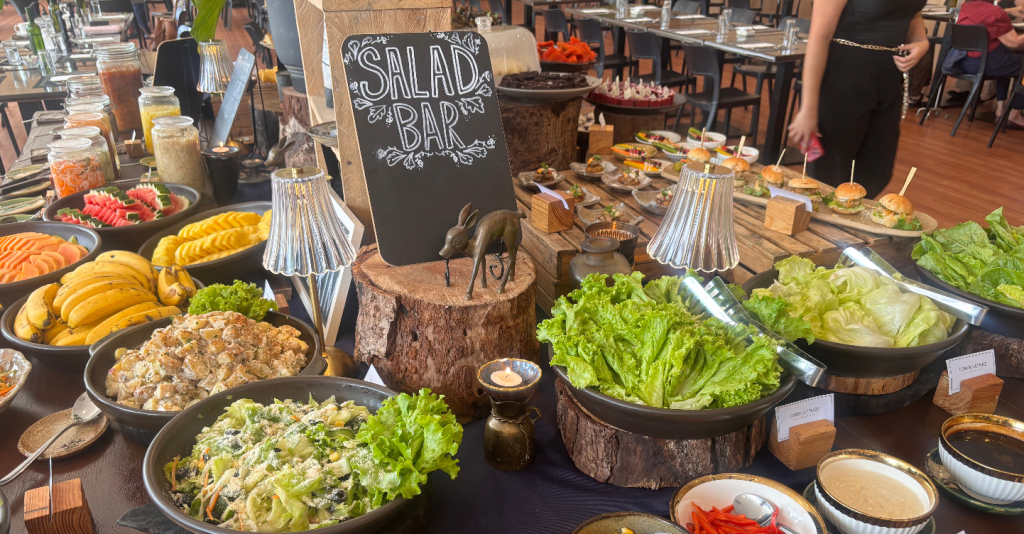
The salad bar was another area worth lingering around. There were fresh greens, assorted toppings, and dressings, while the bread section had jars of house-made jams and preserves, including guava, watermelon, and jackfruit.
I love seeing details like these because they give a buffet a little more character. Anyone can put bread on a table. Offering house-made accompaniments, with flavors that feel familiar to us, makes the experience more personal.
The dessert station rounded things out with cakes and Filipino favorites, including an assortment of kakanin.
Throughout our visit, the staff kept an eye on the spread, maintaining the stations as guests helped themselves. A buffet is a moving target, after all. It can look beautiful at opening and entirely different an hour later. Keeping everything organized and replenished is part of the experience, too.
What’s on the menu?
The menu changes depending on the day and the availability of ingredients, so don’t treat what we had for lunch spread as a preview of everything you’ll find on your next visit. That’s part of the concept: the selection draws from different culinary influences while keeping Filipino food at its heart.
When we visited, there was quite a bit to choose from.
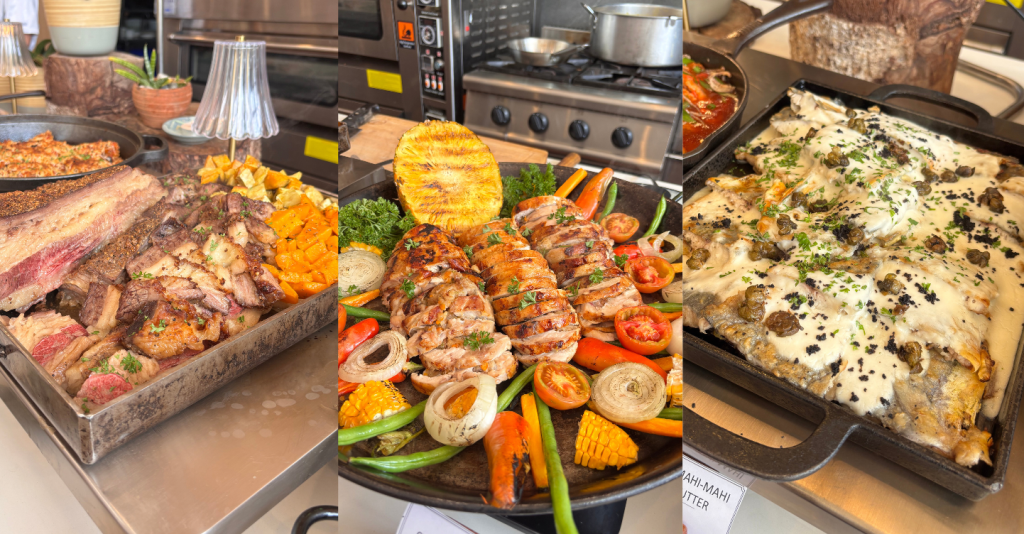
The mains included pan-seared mahi-mahi in lemon butter sauce, roast beef, chicken ballotine, shepherd’s pie, chicken parmigiana, pork bao buns, adobo, and humba, among others.
The mahi-mahi was served in a creamy lemon butter sauce with herbs and capers. The spread also included roast meats, vegetables, pasta, and a selection of Filipino dishes that made the buffet feel familiar even with its international influences.
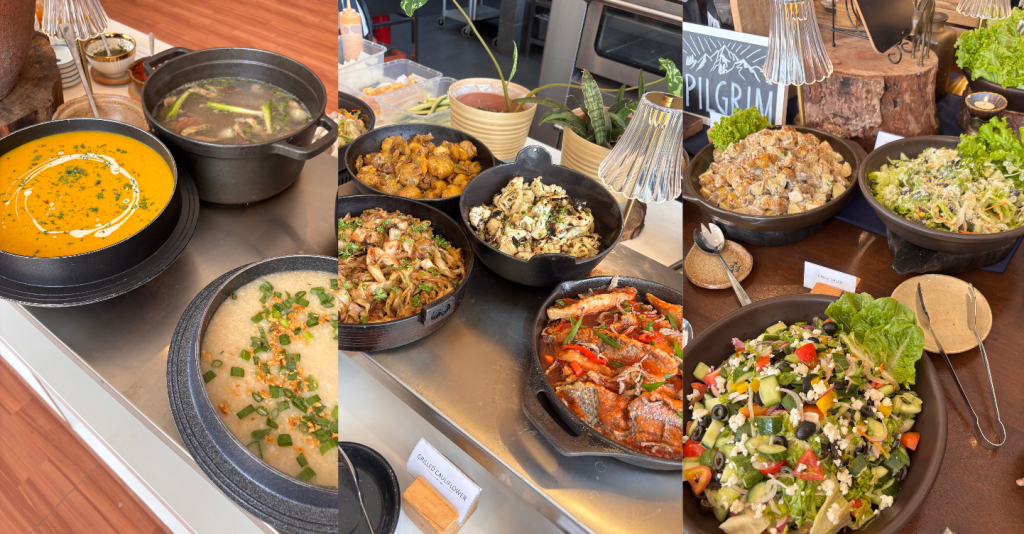
What I appreciated most was the freshness of the food we tried. The dishes were well-prepared, and I didn’t get the feeling that the buffet was relying on sheer volume to make an impression.
This is where I think The Pilgrim Group’s involvement makes the concept particularly interesting.
A buffet has a different set of challenges from an à la carte restaurant. The kitchen has to think about variety, timing, replenishment, and how dishes hold up throughout service. At the same time, it still has to make food that people actually want to eat.
For me, the food at HBNB Kitchen felt like more than a checklist of dishes designed to fill a table. There was enough variety to keep things interesting, but what makes everything stand out is how fresh and thoughtfully prepared the food felt.
It’s all in the details
Beyond the mains, I liked that the spread made room for the smaller things.
The salad bar gave guests the option to put together their own plates, while the bread station featured house-made jams and preserves in flavors like guava, jackfruit, and watermelon. Dessert brought together cakes and kakanin, giving the meal a familiar Filipino finish alongside the other sweets.
These aren’t necessarily the dishes that get the most attention in a buffet review. Nobody is booking a table solely because of a jar of jackfruit jam.
But I think details like these help make a restaurant feel like it has its own identity. In many ways, I think this is what makes all the restaurants The Pilgrim Group different.
Two dishes are also intended to remain consistent across HBNB Kitchen locations: adobo and arroz caldo. I like that choice. If the rest of the menu changes with the city and the season, having a couple of familiar Filipino staples gives the concept something to hold on to.
It also makes sense for a restaurant that wants to carry a national identity into different locations without making every dining experience feel identical.
Is HBNB Kitchen worth the price?
Here’s what attracted me to check out the buffet in the first place: its price.
The breakfast buffet costs ₱599 per person. When I first heard that, my immediate thought was that it’s already so worth it, particularly with The Pilgrim Group behind the menu.
I know that value means different things to different people. Some guests want a particular dish, others want a little bit of everything, and usually, most are interested in getting the most out of their money.
For me, the appeal is the curation.
I’ve followed The Pilgrim Group’s work in Davao, and I appreciate the way its concepts have contributed to the city’s dining scene. So the opportunity to try a buffet put together by the same group was interesting in itself.
After our lunch, I left thinking that HBNB Kitchen is such a great option for people who care about how their food is prepared, not just how many choices they have.
The stations were organized, the staff kept the spread in order, and the dishes we tried tasted fresh. To me, those things add up.
Would I pay ₱599 for breakfast here? Personally, yes. I’d be interested to see how the breakfast spread compares with the lunch buffet we tried, too.
But that’s my take. If you’re the kind of diner who judges a buffet purely by the number of dishes available, you might have a different set of priorities. If you appreciate careful curation and a kitchen that pays attention to the food, HBNB Kitchen is worth considering.
HBNB Kitchen buffet prices
Here’s the pricing as of writing:
| Meal | Schedule | Price per person |
|---|---|---|
| Breakfast buffet | Daily, 6 AM–10 AM | ₱599 |
| Lunch buffet | Monday–Thursday, 11 AM–2 PM | ₱799 |
| Lunch buffet | Friday–Sunday, 11 AM–2 PM | ₱899 |
| Dinner | Monday–Thursday, 5 PM–9 PM | À la carte |
| Dinner buffet | Friday–Sunday, 5 PM–9 PM | ₱999 |
The menu and rates may change, so check with Hotel101 Davao before visiting.
A new chapter for Davao’s dining scene
There’s another reason HBNB Kitchen caught my attention beyond the food.
Hotel101’s name comes from HBNB, its Nasdaq ticker. Its listing marks a historic milestone for a Filipino-owned company on the exchange, and the HBNB Kitchen concept carries that identity into its dining experiences across cities.
For each location, Hotel101 works with a local culinary partner to give the restaurant a connection to its surroundings. In Davao, that’s The Pilgrim Group.
I like this approach because a hotel restaurant doesn’t have to be an isolated dining destination. It can also be a way for visitors to experience the people and businesses shaping the city’s food culture.
And for a group that has already made its mark through several distinct concepts, bringing that perspective into a hotel buffet is an interesting next step.
HBNB Kitchen is still a new addition to Davao’s dining scene, and there’s more to explore beyond the lunch spread we tried. But I left with a good impression of the food, the organization, and the thought behind the experience.
And if you’re asking me whether a ₱599 breakfast buffet curated by The Pilgrim Group sounds worth trying?
I say… come hungry.


Leave a Reply